
Profit per Corridor
The sharpest question in transport strategy is two words long: per what? Why the right denominator for a transport business is the corridor relationship, and what changes when you adopt it.

Corridor Sovereignty: Cooperation Without Surrendering Control
A late vessel matters only if the parties who can act on the new timing see it in time. Shad Blidberg Hallam, with Wolfgang Lehmacher and Mikael Lind, sets out how corridors can coordinate across borders without anyone surrendering control — and how to prove it works.
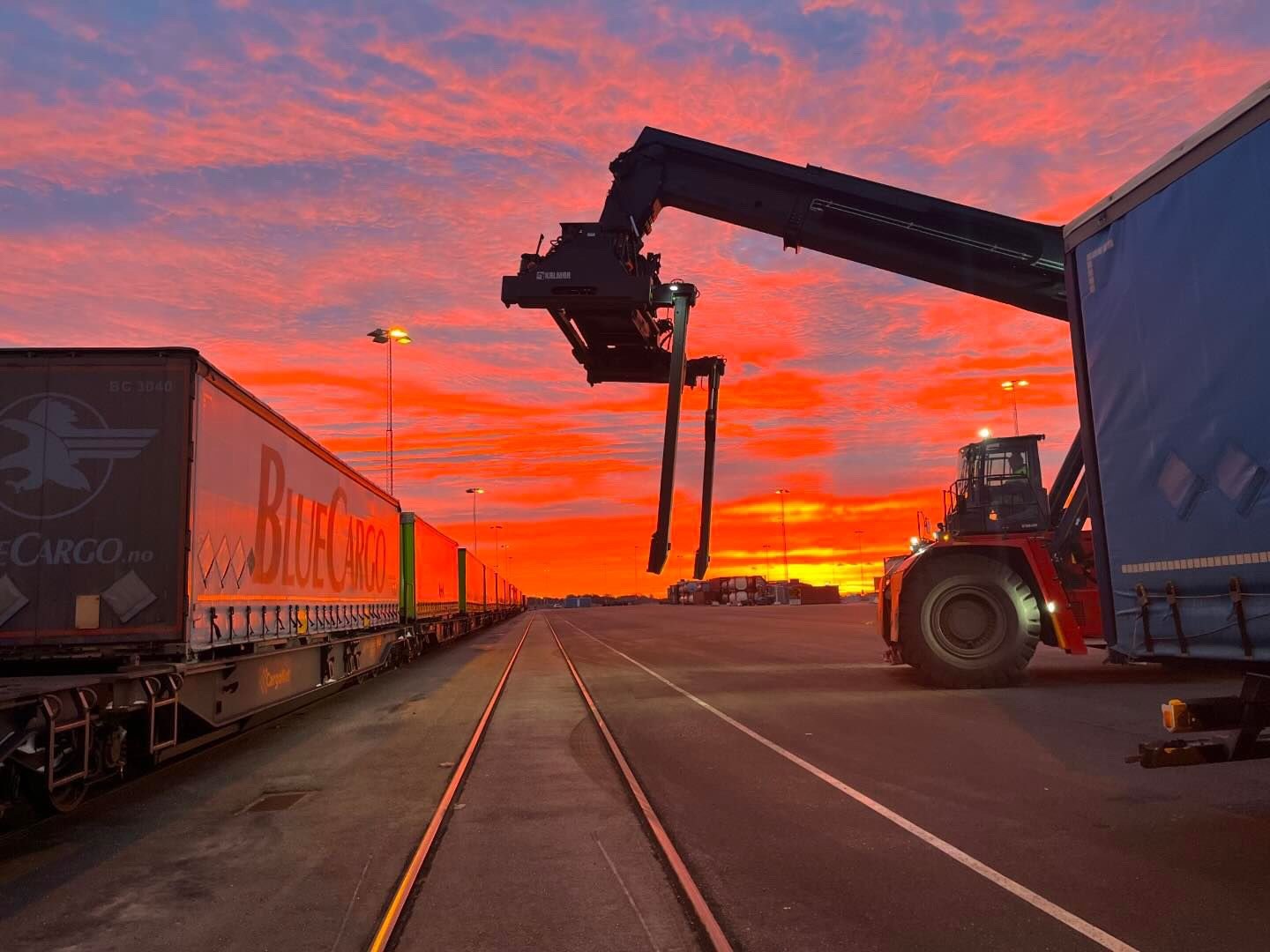
The Demand Side Has Spoken
At TT-Line’s Intermodal Conference, more than one hundred corridor leaders specified — unprompted — what the federated data-sharing argument has claimed for years. Shad Blidberg Hallam, with Mikael Lind (RISE) and Wolfgang Lehmacher, reads the signal in The Maritime Executive.
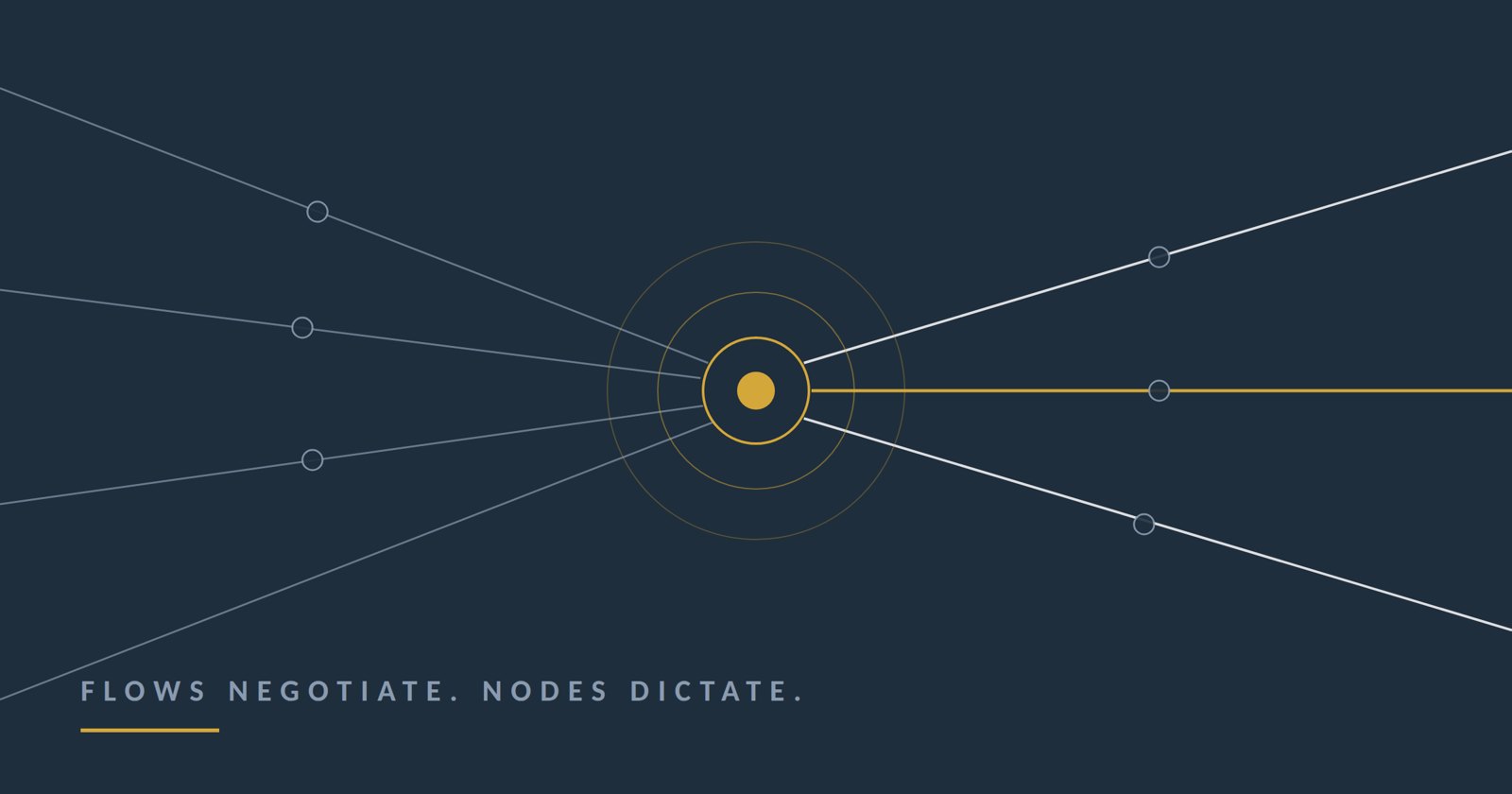
Who Owns the Node? Ports, Terminals and the Quiet Contest for Corridor Control
Flows are contestable. Nodes are not. Why the decisive strategic ground in Nordic transport is fixed, finite, and changing hands quietly.
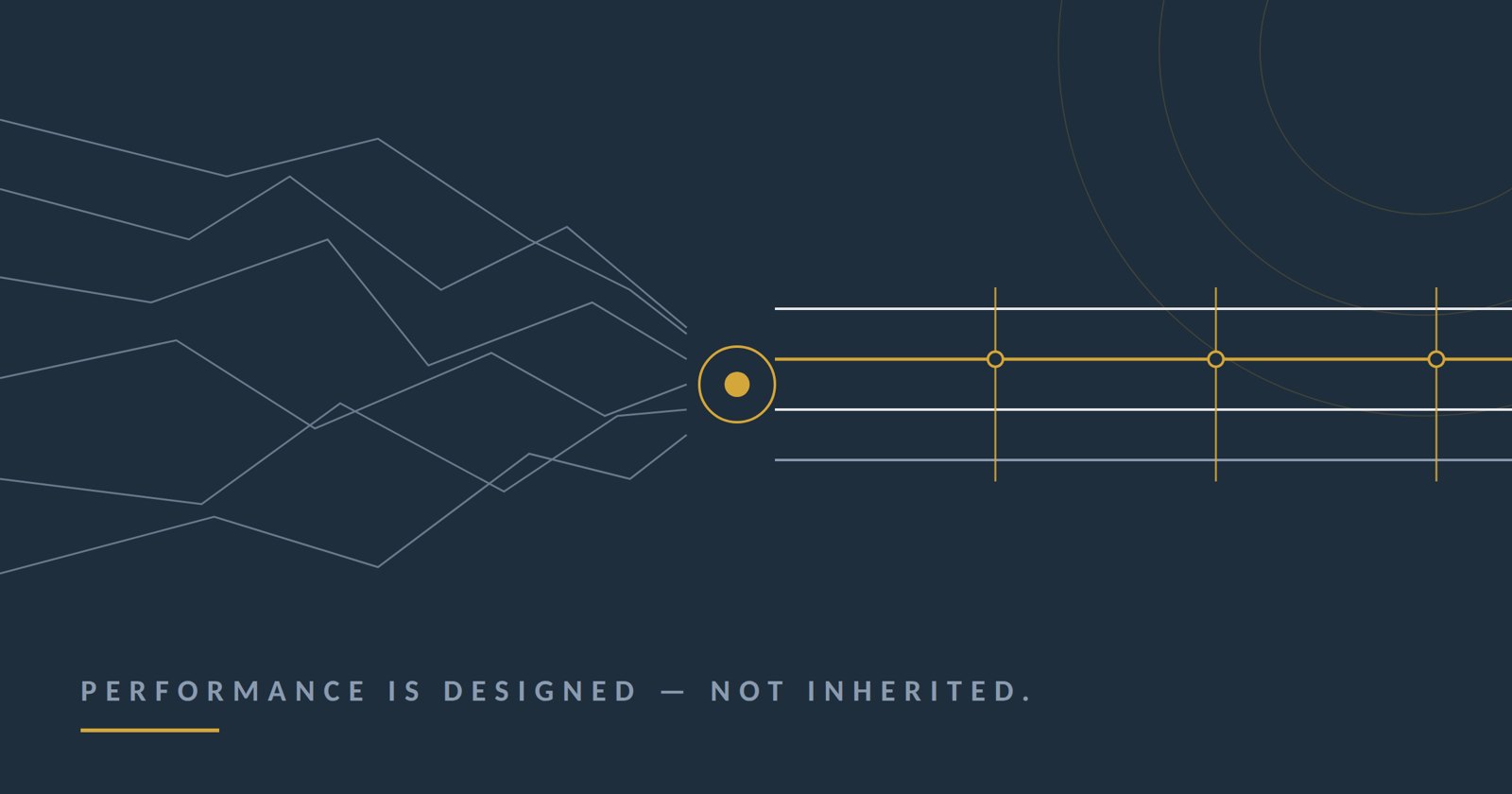
Why Rail Freight Performance Is a Governance Problem — Not an Asset Problem
Structural drivers of reliability and margin erosion in Nordic rail freight, and why capital alone has never fixed them.
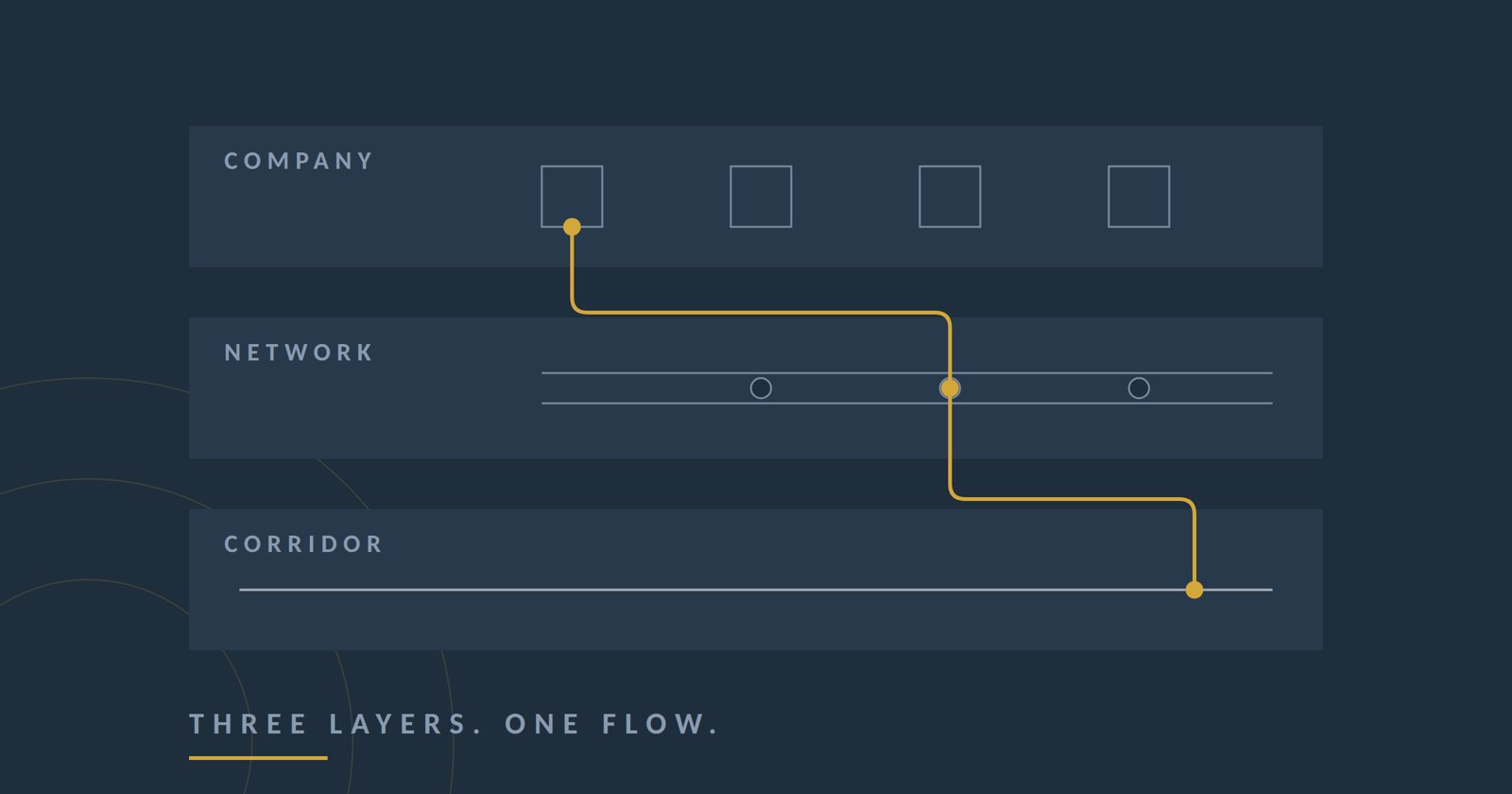
Nordic–Baltic Transport Integration: Structural Risks and Strategic Opportunity
Corridor-level coordination as a prerequisite for competitive advantage, and what happens to the region if it does not materialise.
The Next Layer of Global Trade: Why Nomon Joined the Virtual Watch Tower Community
End-to-end visibility across supply chains is still fragmented. Solving it requires a new layer of digital infrastructure, not another dashboard.